
Evacuation robots
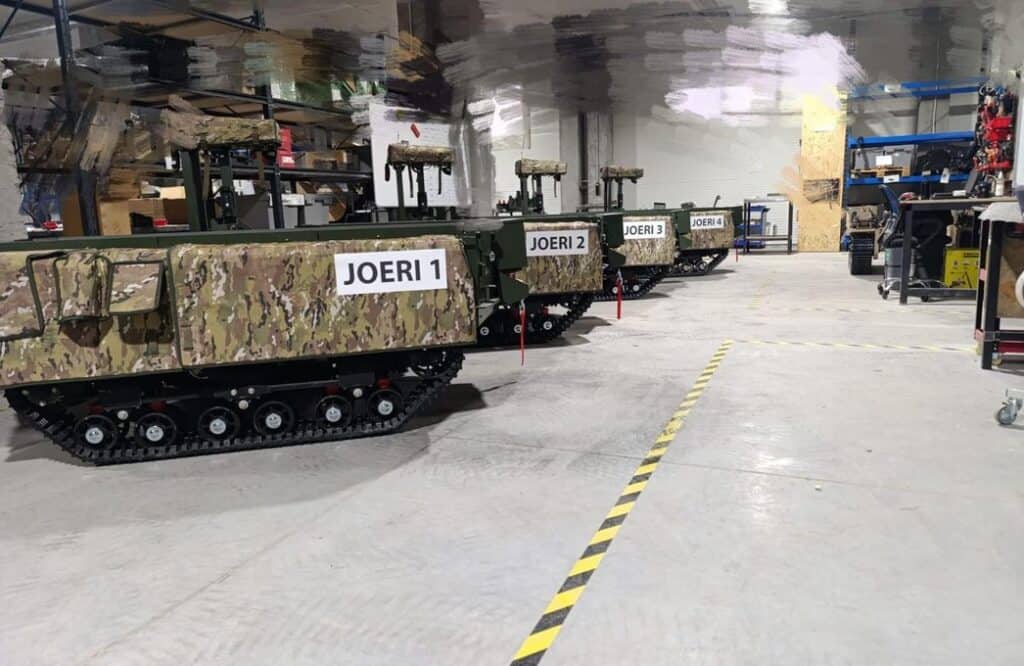
Protect Ukraine is working with the Ukrainian General Staff, drone manufacturer Tencore and NGO Dignitas to develop armoured unmanned ground vehicles (UGVs).
These remotely operated robots evacuate wounded soldiers while reducing the risks faced by medics under enemy fire.
The front line is constantly watched by reconnaissance drones.
Soldiers operating in forward positions often spend months sheltering in underground dugouts.
Ground robots help deliver supplies and evacuate the wounded, ideally at night, in poor weather or at dusk, when surveillance conditions may be more favourable.
Once a wounded soldier has been evacuated from the danger zone, the ground robot meets an evacuation vehicle. This off-road vehicle transports the casualty to a nearby stabilisation point, often located in a disused school, barn, underground shelter or forest tent.
From there, an ambulance or SUV takes the wounded soldier to a military hospital further from the front line.
‘An evacuation robot is often the wounded’s last hope of being rescued and the only way to bring fallen soldiers home to their families. Protect Ukraine gives us the means to save lives and preserve our humanity.’
— Khristina Senior Combat Medic
Drone training for veterans
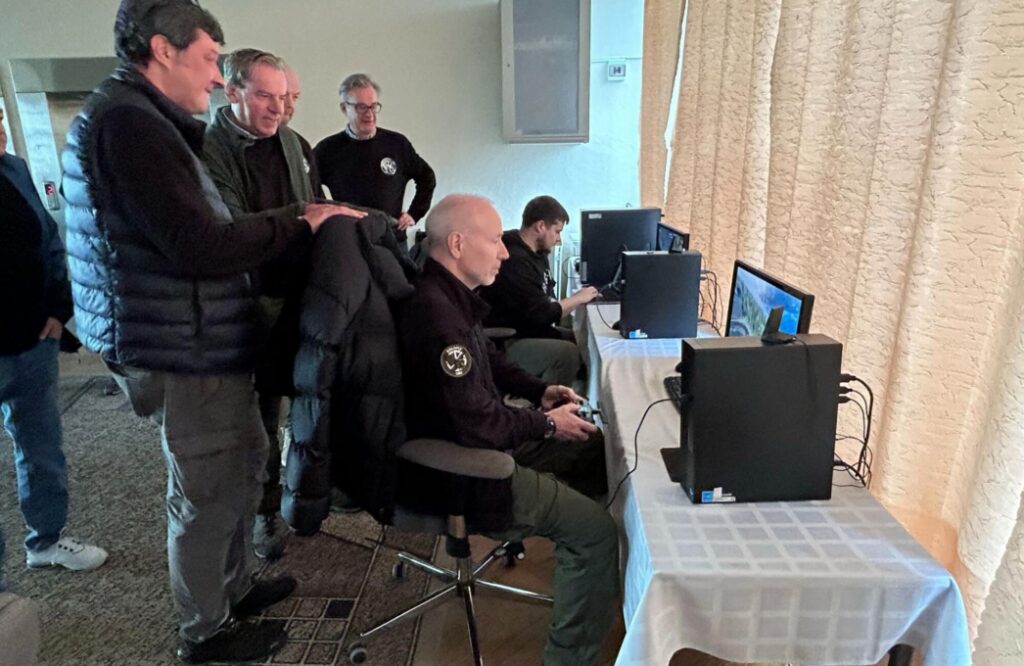
We provide drone training for veterans, helping them apply their skills in vital, modern military roles and continue to contribute to Ukraine’s defence.
Jammers
To reduce the effectiveness of drones, we need to disrupt their radio and GPS signals. This can be achieved using signal jammers.
Rescue on Wheels – CASEVAC
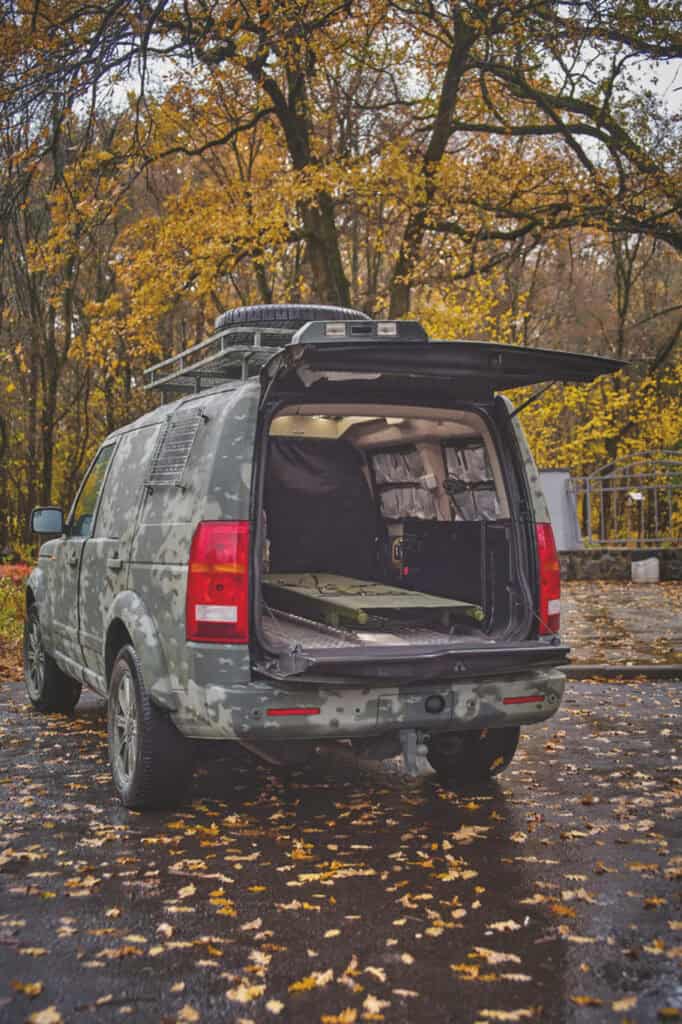
CASEVAC (Casualty Evacuation) vehicles, designed to get wounded soldiers out of the combat zone and to a stabilisation point as quickly as possible.
These vehicles are adapted for extreme terrain and the dangers of the battlefield.
The rear is cleared to accommodate a stretcher, specialist lighting and electrical systems are installed, and the interior is lined with aluminium for easy cleaning.
Picture book
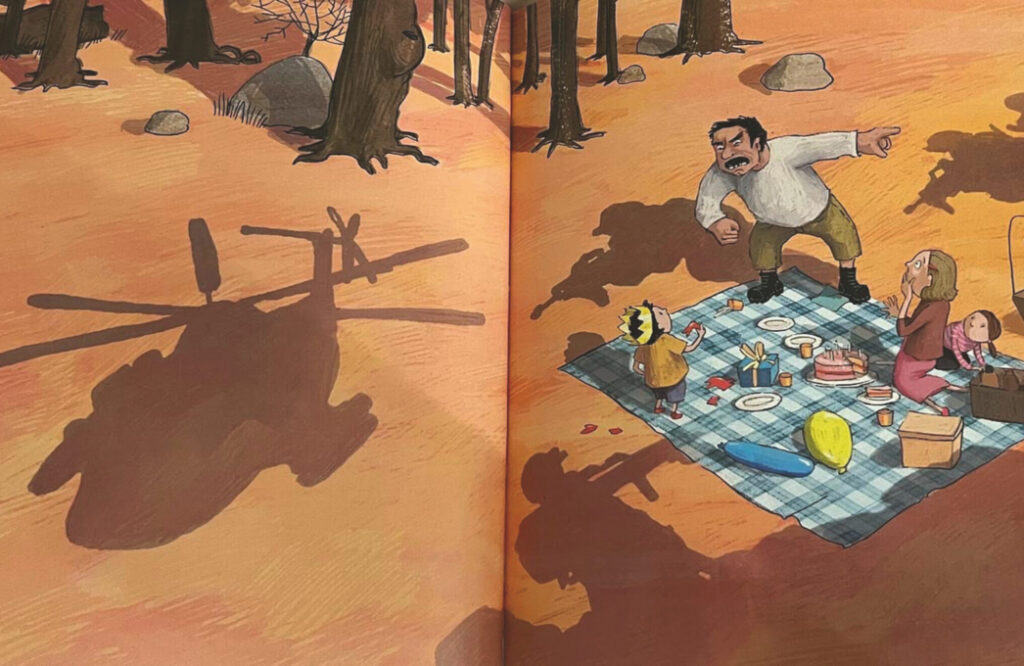
How do you explain to a child why Dad seems different since returning from war? Why he sometimes suddenly gets angry or bursts into tears?
Dark Places helps children understand the invisible wounds of war and cope with the changes in family life.
This therapeutic picture book gives families a gentle way to talk about trauma and begin healing together.
Written by psychologist Kathrin Schrocke and illustrated by Lilly L’Arronge, the book is distributed free of charge in Ukraine.
Protect Ukraine helped fund the Ukrainian translation and free distribution, bringing this support to more families affected by war.
UGV Pilot training
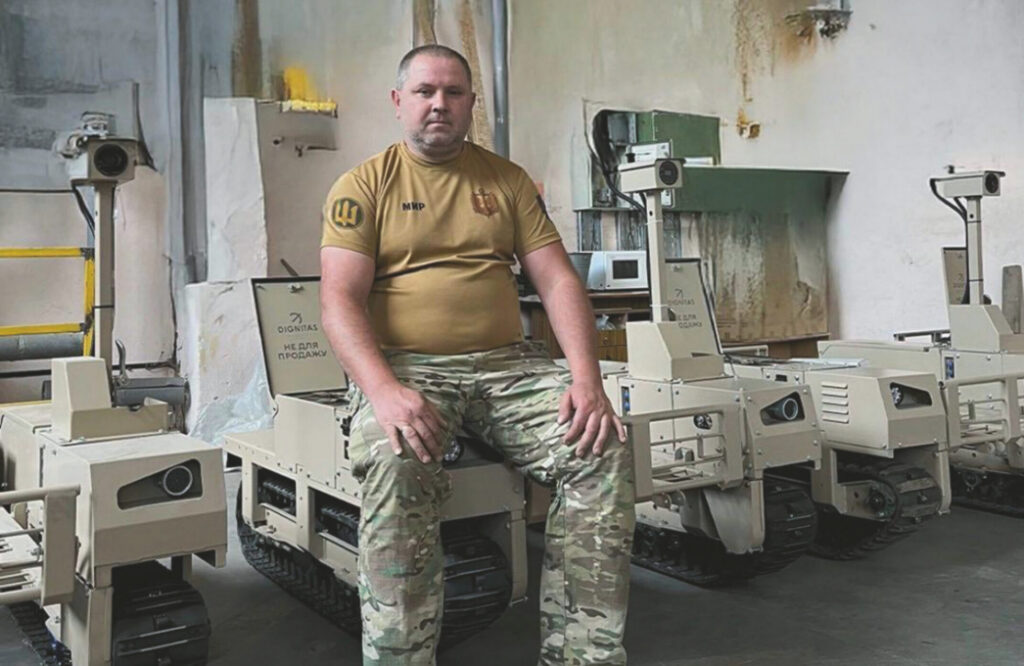
The front line in Ukraine has become a kill zone. The widespread use of surveillance and attack drones has made a zone several kilometres wide virtually inaccessible.
Soldiers and medics entering this area face an extremely high risk of death.
Unmanned Ground Vehicles (UGVs) are taking over vital tasks in this dangerous zone.
These ground robots deliver food, ammunition and medical supplies to troops in dug-in positions but, most importantly, they evacuate wounded soldiers from the kill zone.
Protect Ukraine funded the first four UGV pilot training courses of their kind, helping bring this life-saving technology to the front line.
Mobile Medical Care – MEDEVAC
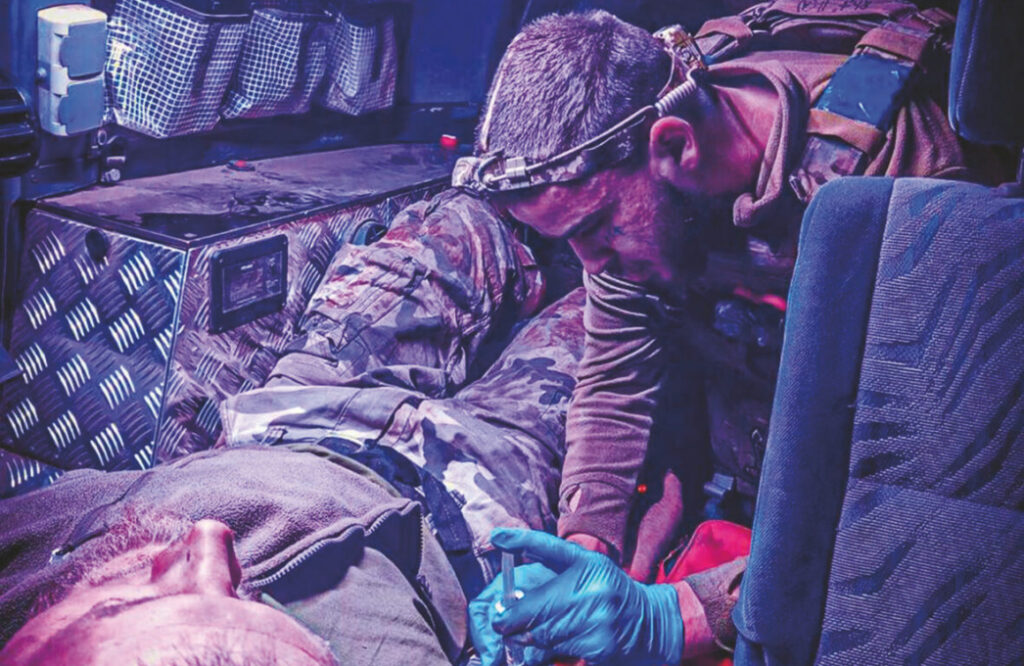
CASEVAC (Casualty Evacuation) vehicles get wounded soldiers out of immediate danger. MEDEVAC (Medical Evacuation) vehicles take over for the next stage of the journey, transporting casualties to stabilisation points or field hospitals.
These vehicles are equipped with intensive care equipment, including patient monitors for heart rate, blood pressure and oxygen levels, as well as suction, ventilation and IV systems.
Kevlar armour, bullet-resistant glass and camouflage netting provide additional protection.
EMDR equipment and training
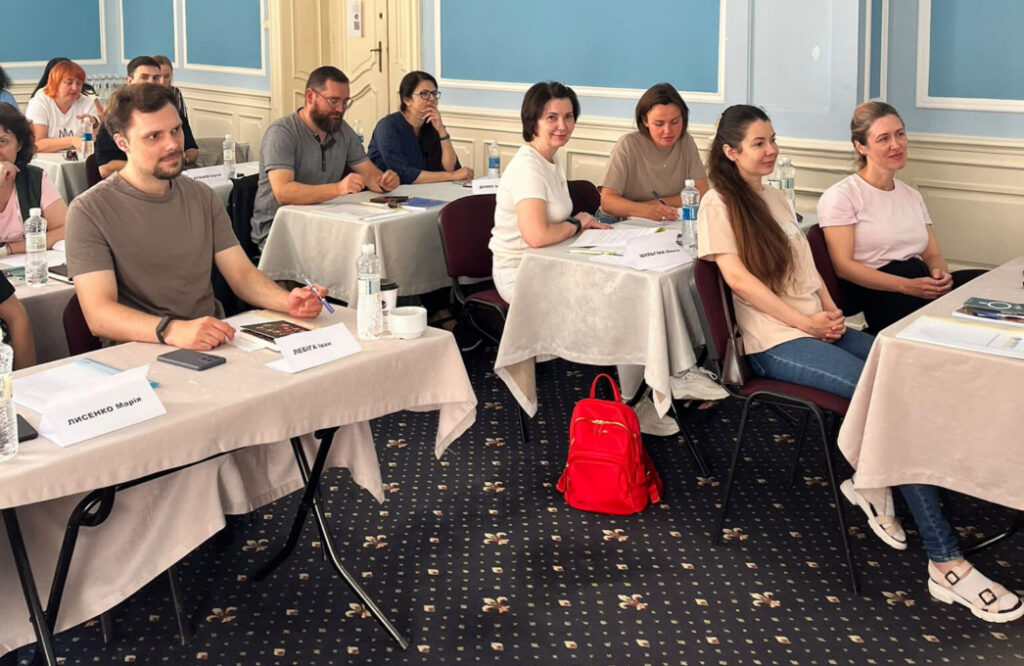
We deliver EMDR therapy equipment to provide effective treatment for PTSD and help reduce trauma-related symptoms.
Ukraine is facing an enormous mental health crisis. Many soldiers suffer from PTSD, while returning prisoners of war have often endured horrific torture, including sexual violence. The need for psychological care will continue to grow, yet trained therapists and specialist knowledge remain in short supply.
That is why Protect Ukraine has been providing EMDR equipment and training since 2025.
EMDR (Eye Movement Desensitisation and Reprocessing) is an evidence-based therapy that helps reduce the emotional impact of traumatic memories and supports the transition back to civilian life. By following visual or auditory stimuli while recalling distressing experiences, patients can gradually process traumatic memories.
By donating EMDR kits and supporting training for Ukrainian psychologists, you help make effective trauma care accessible to those who have sacrificed so much in this war.
‘EMDR helps people process traumatic experiences. It opens new paths for those who have forgotten what joy feels like and can see nothing ahead but a dead end.’
— Olesya Huzar, Trauma Therapist
Starlink, Batteries & Generators
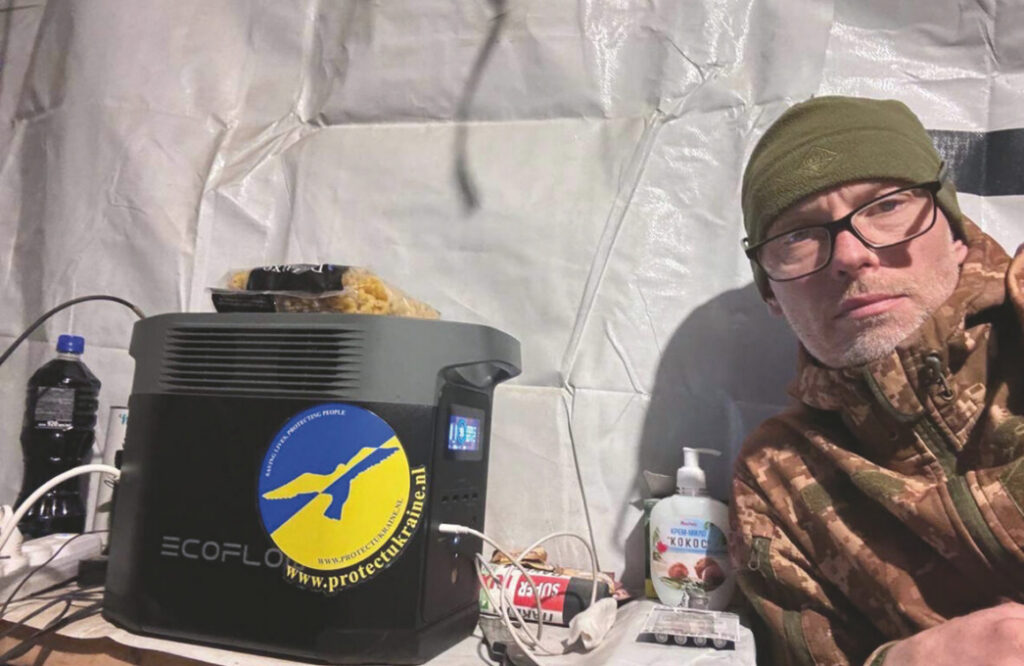
This war runs on information and technology. Vast amounts of data must be shared and analysed in real time, and troops rely heavily on Starlink to stay connected and receive critical information.
But connectivity and equipment must keep working in remote locations and villages, even when the power goes out.
That’s why portable EcoFlow batteries and generators are essential to keep vital equipment running.
For medical teams, reliable power can be a matter of life and death, especially at casualty stabilisation points and field hospitals.
Blood bank
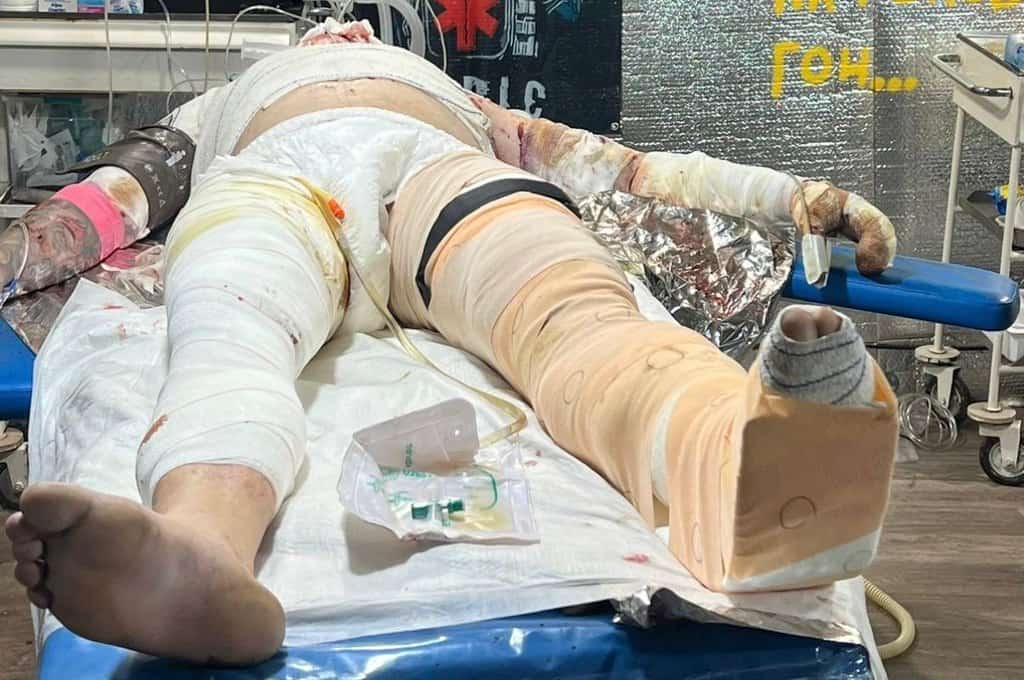
Ukraine’s blood services are fragmented, leaving many patients, from mothers and children to wounded soldiers without timely transfusions.
Even before the war, two-thirds of patients lacked access to the blood they needed. Thanks to Protect Ukraine, funding is now being provided to address this critical shortage.