
Picture book
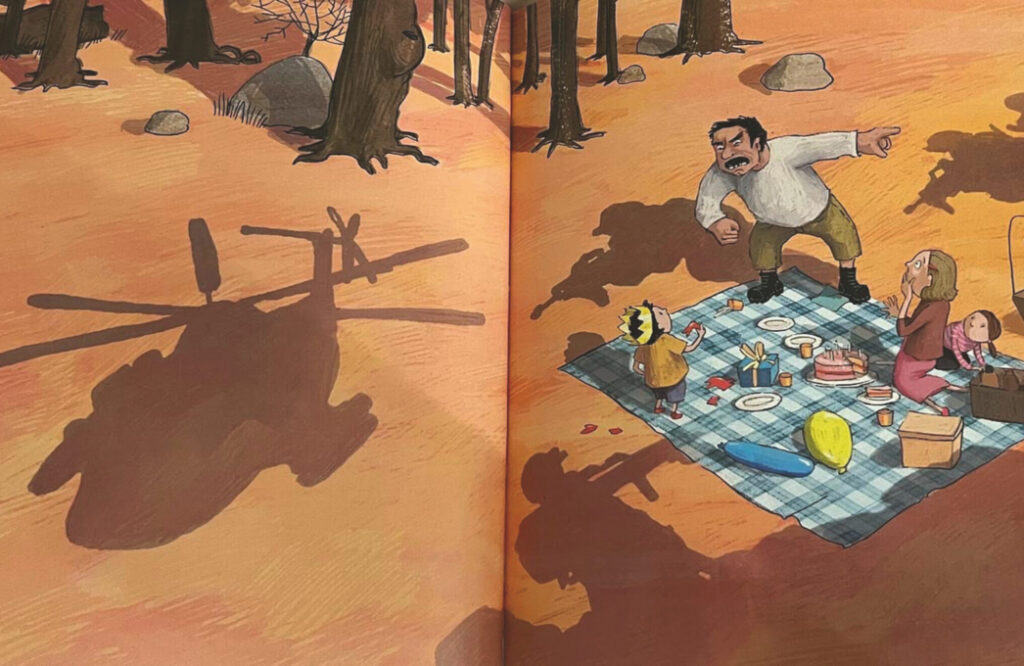
How do you explain to a child why Dad seems different since returning from war? Why he sometimes suddenly gets angry or bursts into tears?
Dark Places helps children understand the invisible wounds of war and cope with the changes in family life.
This therapeutic picture book gives families a gentle way to talk about trauma and begin healing together.
Written by psychologist Kathrin Schrocke and illustrated by Lilly L’Arronge, the book is distributed free of charge in Ukraine.
Protect Ukraine helped fund the Ukrainian translation and free distribution, bringing this support to more families affected by war.
UGV Pilot training
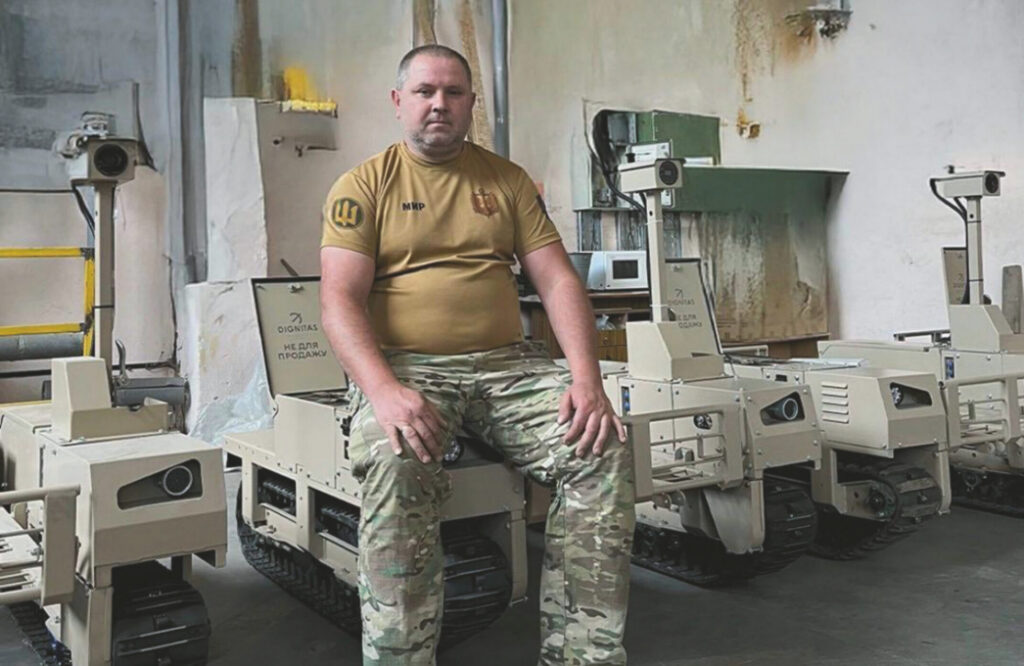
The front line in Ukraine has become a kill zone. The widespread use of surveillance and attack drones has made a zone several kilometres wide virtually inaccessible.
Soldiers and medics entering this area face an extremely high risk of death.
Unmanned Ground Vehicles (UGVs) are taking over vital tasks in this dangerous zone.
These ground robots deliver food, ammunition and medical supplies to troops in dug-in positions but, most importantly, they evacuate wounded soldiers from the kill zone.
Protect Ukraine funded the first four UGV pilot training courses of their kind, helping bring this life-saving technology to the front line.
Mobile Medical Care – MEDEVAC
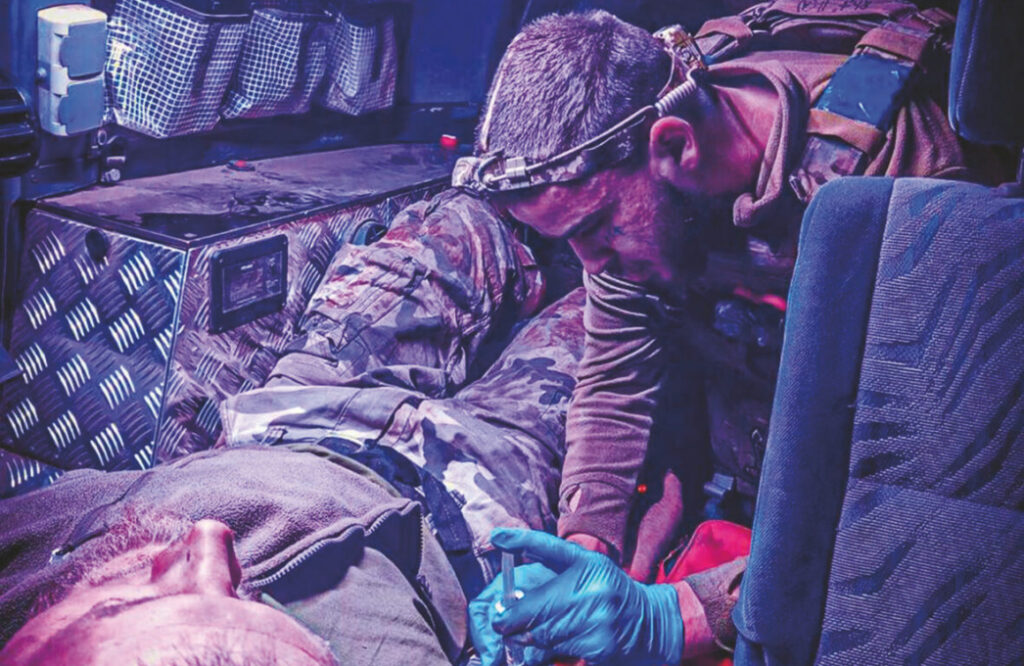
CASEVAC (Casualty Evacuation) vehicles get wounded soldiers out of immediate danger. MEDEVAC (Medical Evacuation) vehicles take over for the next stage of the journey, transporting casualties to stabilisation points or field hospitals.
These vehicles are equipped with intensive care equipment, including patient monitors for heart rate, blood pressure and oxygen levels, as well as suction, ventilation and IV systems.
Kevlar armour, bullet-resistant glass and camouflage netting provide additional protection.
EMDR equipment and training
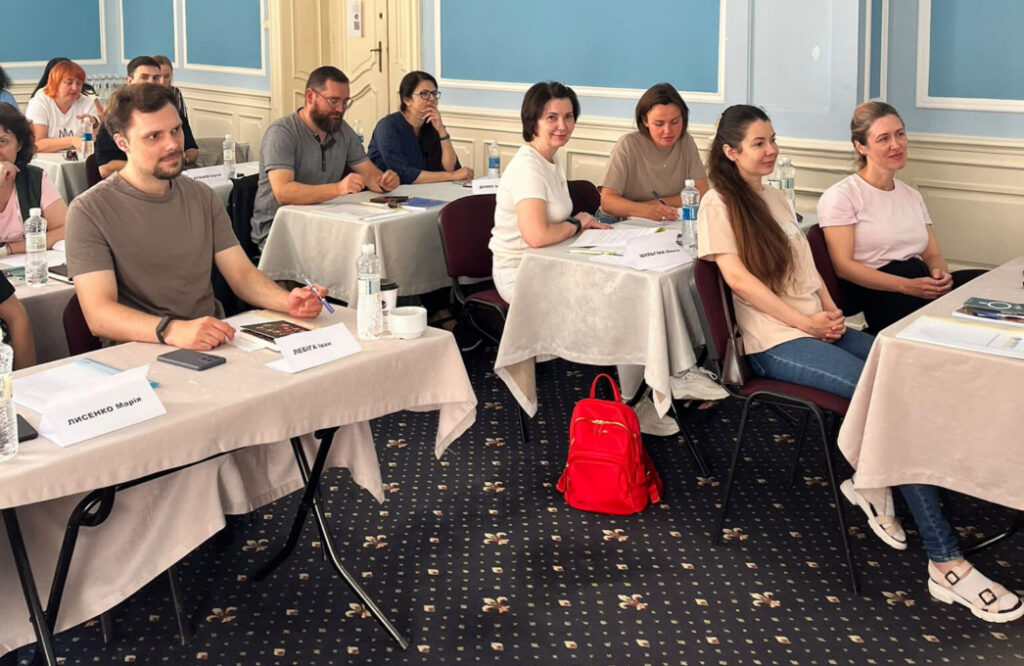
We deliver EMDR therapy equipment to provide effective treatment for PTSD and help reduce trauma-related symptoms.
Ukraine is facing an enormous mental health crisis. Many soldiers suffer from PTSD, while returning prisoners of war have often endured horrific torture, including sexual violence. The need for psychological care will continue to grow, yet trained therapists and specialist knowledge remain in short supply.
That is why Protect Ukraine has been providing EMDR equipment and training since 2025.
EMDR (Eye Movement Desensitisation and Reprocessing) is an evidence-based therapy that helps reduce the emotional impact of traumatic memories and supports the transition back to civilian life. By following visual or auditory stimuli while recalling distressing experiences, patients can gradually process traumatic memories.
By donating EMDR kits and supporting training for Ukrainian psychologists, you help make effective trauma care accessible to those who have sacrificed so much in this war.
‘EMDR helps people process traumatic experiences. It opens new paths for those who have forgotten what joy feels like and can see nothing ahead but a dead end.’
— Olesya Huzar, Trauma Therapist
Starlink, Batteries & Generators
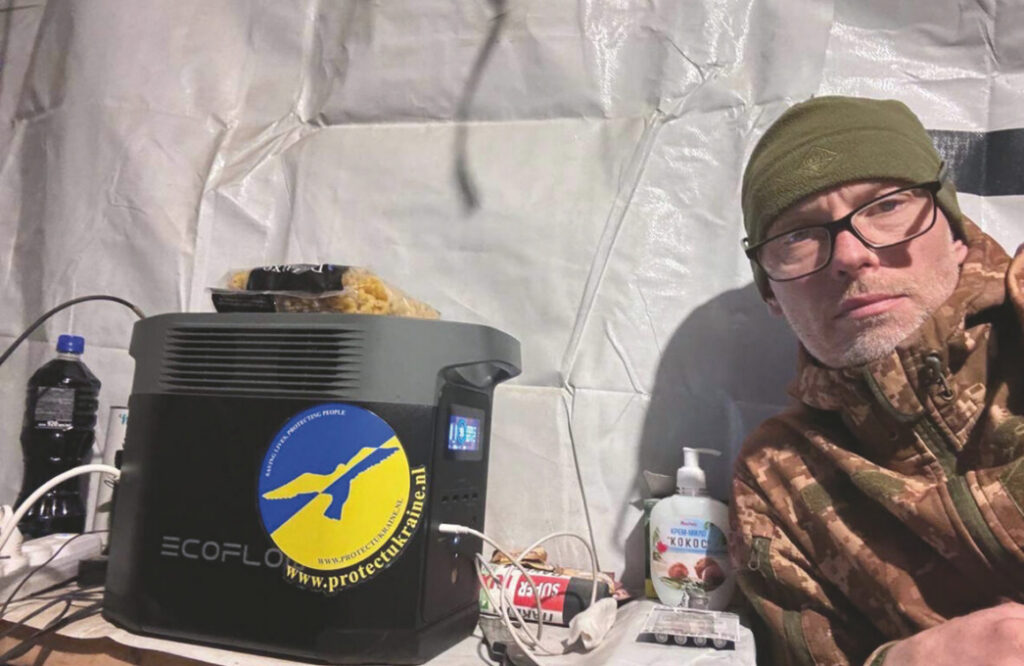
This war runs on information and technology. Vast amounts of data must be shared and analysed in real time, and troops rely heavily on Starlink to stay connected and receive critical information.
But connectivity and equipment must keep working in remote locations and villages, even when the power goes out.
That’s why portable EcoFlow batteries and generators are essential to keep vital equipment running.
For medical teams, reliable power can be a matter of life and death, especially at casualty stabilisation points and field hospitals.
Blood bank
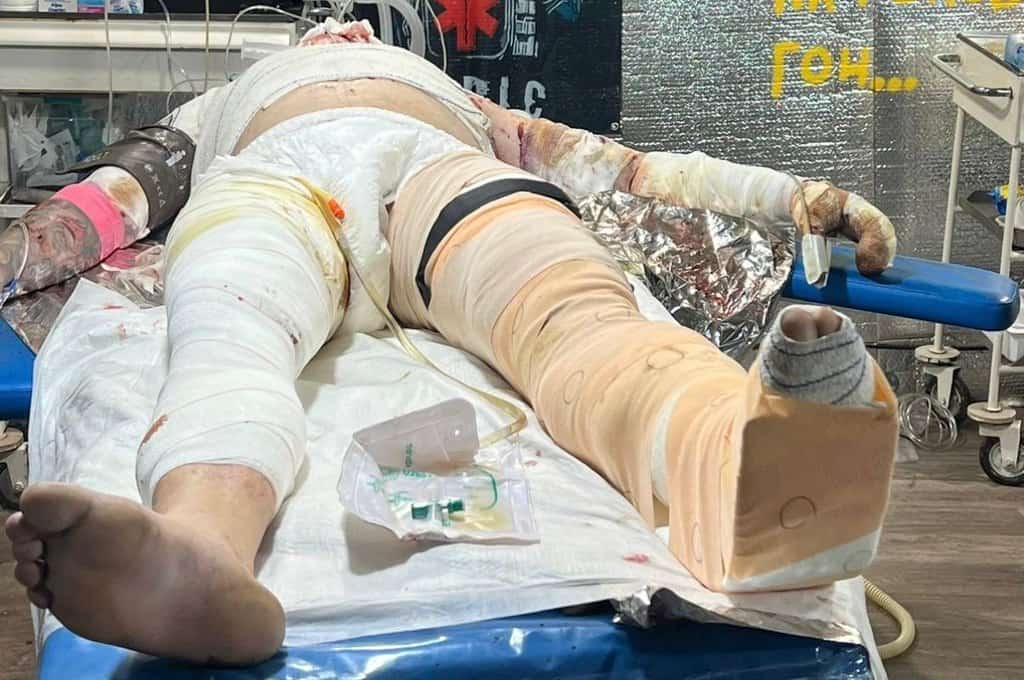
Ukraine’s blood services are fragmented, leaving many patients, from mothers and children to wounded soldiers without timely transfusions.
Even before the war, two-thirds of patients lacked access to the blood they needed. Thanks to Protect Ukraine, funding is now being provided to address this critical shortage.
Refrigerated vehicles and body bags
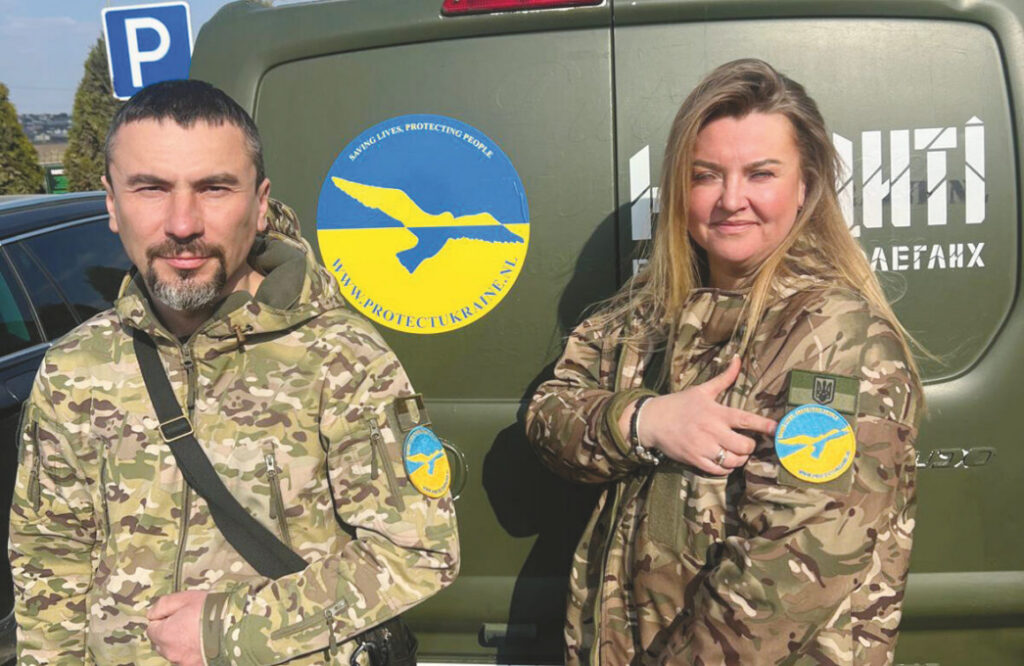
Every fallen soldier deserves to be brought home with dignity.
On The Shield, a humanitarian mission within the Ukrainian Armed Forces, works along the entire front line to return fallen soldiers to their families.
Protect Ukraine supports this mission by providing refrigerated vehicles and durable body bags, helping families give their loved ones a dignified farewell.
The fallen are carefully placed in sealed body bags and transported in refrigerated vehicles to forensic facilities.
Their remains are then transferred to local military recruitment centres so that families can arrange a funeral and have a place to visit, honour and remember their loved ones.
Helmets and vests
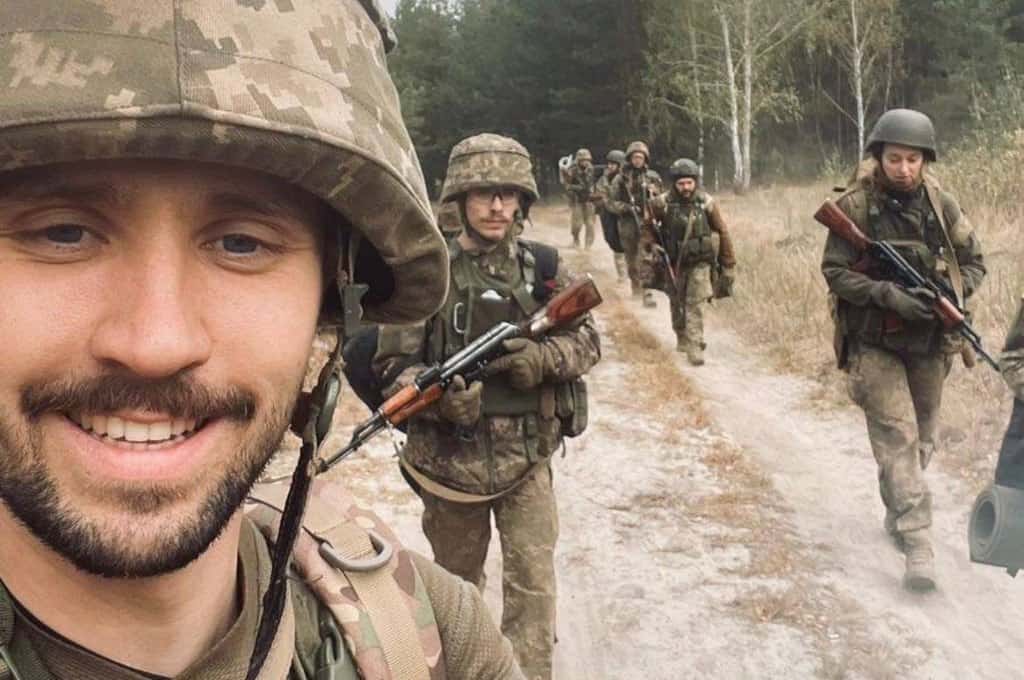
Many soldiers are still inadequately equipped with helmets and protective vests. For example, not many soldiers have helmets compatible with communication headsets.
Replacing damaged equipment quickly remains a challenge for Ukraine’s military, where traditional bureaucracy can slow the process.
Ukrainian-issued ballistic vests also weigh around 18 kg, contributing to back problems among soldiers.
Protect Ukraine supplies lighter, 8 kg NATO Level IV ballistic vests, designed to stop rounds fired from an AK-47.
Mobile Stabilisation Units
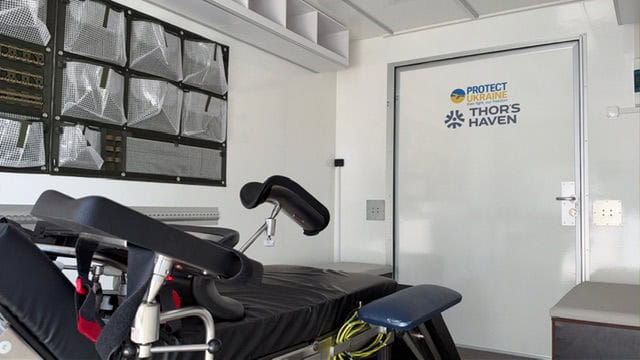
Every second counts when a soldier is wounded. These mobile stabilisation units bring emergency care closer to the front line.
Medical teams can control bleeding, treat wounds, prevent hypothermia, administer blood transfusions and relieve pain before patients are evacuated to hospital.
With drones monitoring roads and fixed positions, stationary clinics are increasingly vulnerable.
Towed by a 4×4, these units can be quickly relocated and concealed beneath tree cover or inside a barn, helping medical teams continue their life-saving work.
Equipment for Female Soldiers
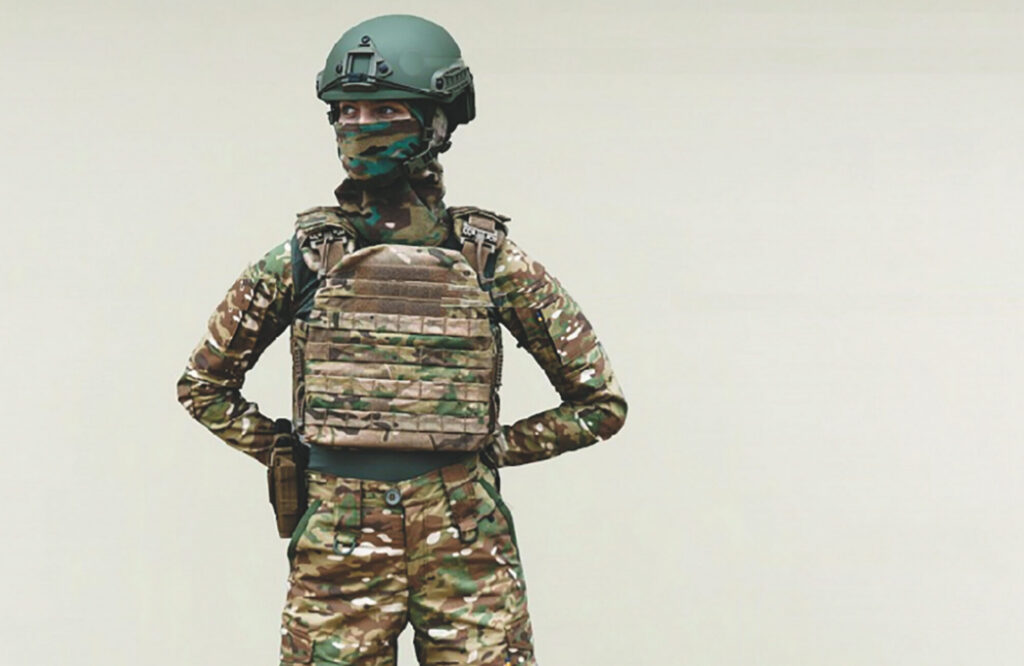
Around one in ten Ukrainian service members is a woman, and all have volunteered to serve. Approximately 5,500 women serve on or near the front line.
Yet standard military equipment is often designed for men and does not fit the female body properly.
This can cause physical discomfort, health problems and potentially dangerous situations on the battlefield.
Together with our partner Zemliachky (“Fellow Countrywomen”), Protect Ukraine provides combat gear specifically designed for women.
‘You don’t feel comfortable in a men’s uniform when you yourself wear a size small, or when your helmet keeps slipping over your eyes.’
— Kseniya Draganyuk Founder of Zemliachky