
Aquadrones for evacuation and resupply
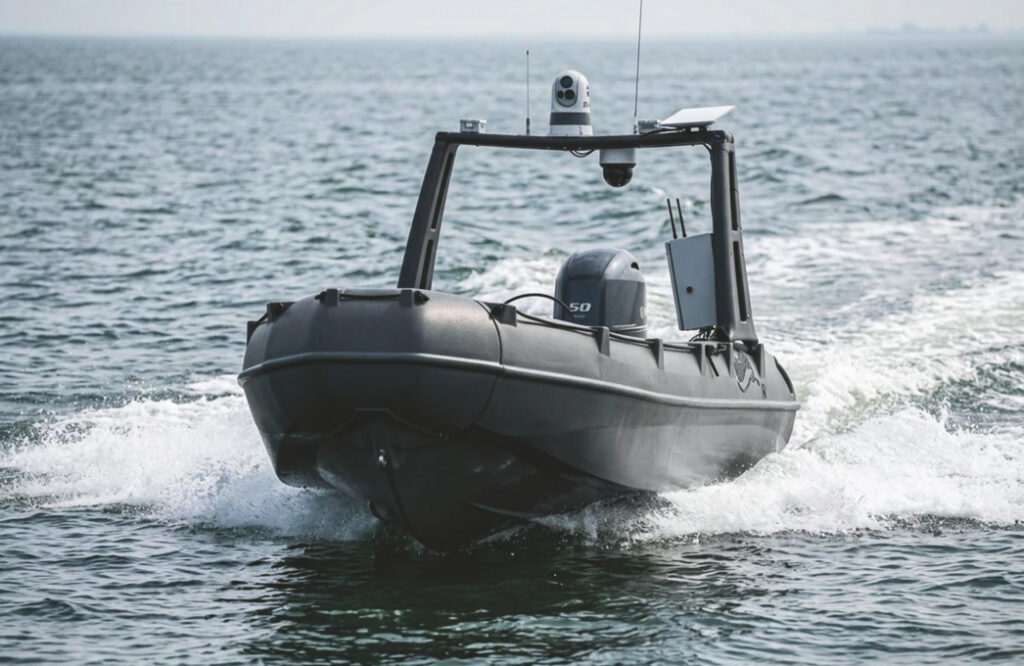
In 2023, Ukraine’s 36th Marine Brigade turned to Protect Ukraine for a safer way to transport supplies and evacuate wounded soldiers across the Dnipro River.
During fighting in Krynky, on the eastern bank of the Dnipro River near Kherson, marines came under constant fire while crossing open water. More than 30 boats were lost.
They needed a safer way to resupply troops, evacuate wounded soldiers and carry out other high-risk missions, ideally using a quiet, unmanned boat capable of operating at night.
Led by mechanical engineer Martijn Otten, named Engineer of the Year 2026, a team of engineers from Delft developed the GB2, later renamed the Riverwhale.
Otten travelled to Ukraine several times to test the aquadrone alongside elite units and refine its design.
To increase speed, the original quiet electric propulsion system was replaced with a petrol engine. The boat is also equipped with night-vision technology and GPS navigation.
The Riverwhale helps deliver essential supplies and evacuate the wounded without putting more lives at risk.
Underground Hospital
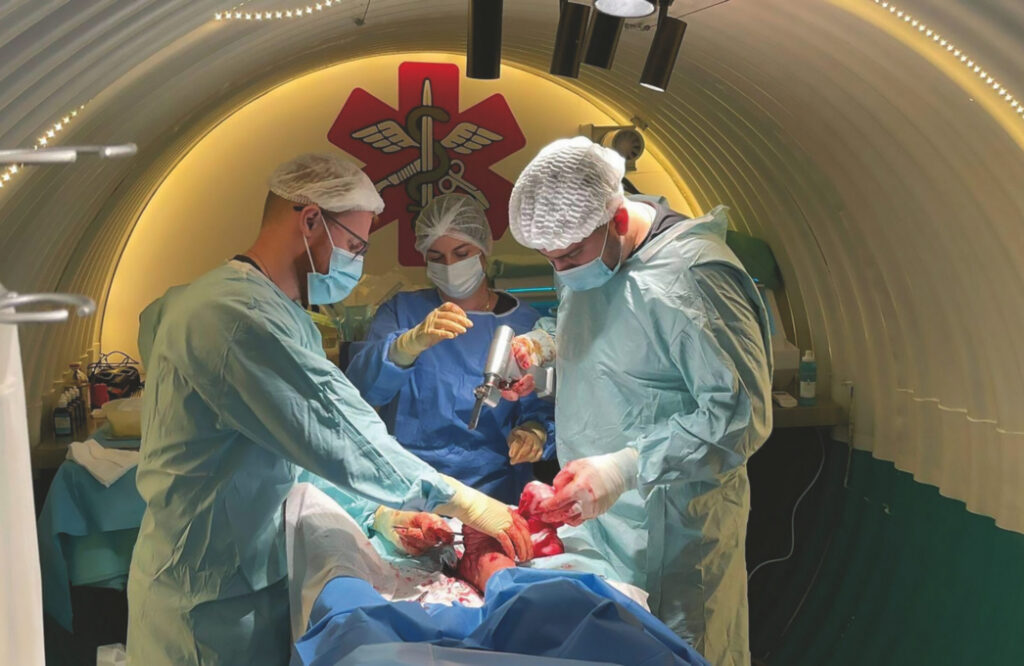
A new hospital, deep beneath the surface, is being built to provide life-saving surgery closer to the front line.
The war in Ukraine has changed. With drones and precision weapons posing an ever-growing threat, medics, stabilisation points and above-ground hospitals are increasingly vulnerable. A single strike can bring medical care at a location to a complete halt.
At the direct request of Ukraine’s military medical service, a new hospital is being built entirely underground, deep beneath the surface and reinforced with concrete.
It will feature multiple operating theatres, allowing several surgical teams to work safely, even during attacks.
By bringing surgery closer to the front line, critically wounded soldiers can receive urgent treatment without losing precious time travelling tens or even hundreds of kilometres.
The hospital will also ease the pressure on medical facilities further from the front.
‘When the air-raid sirens sound, the doctors keep operating. ‘We simply cannot leave our patients alone.’they say. That’s why underground operating theatres are such a vital solution.’
– Frederiek Roukens Medical trainee and volunteer at a military hospital in Ukraine
Off-road vehicles and pick-up trucks
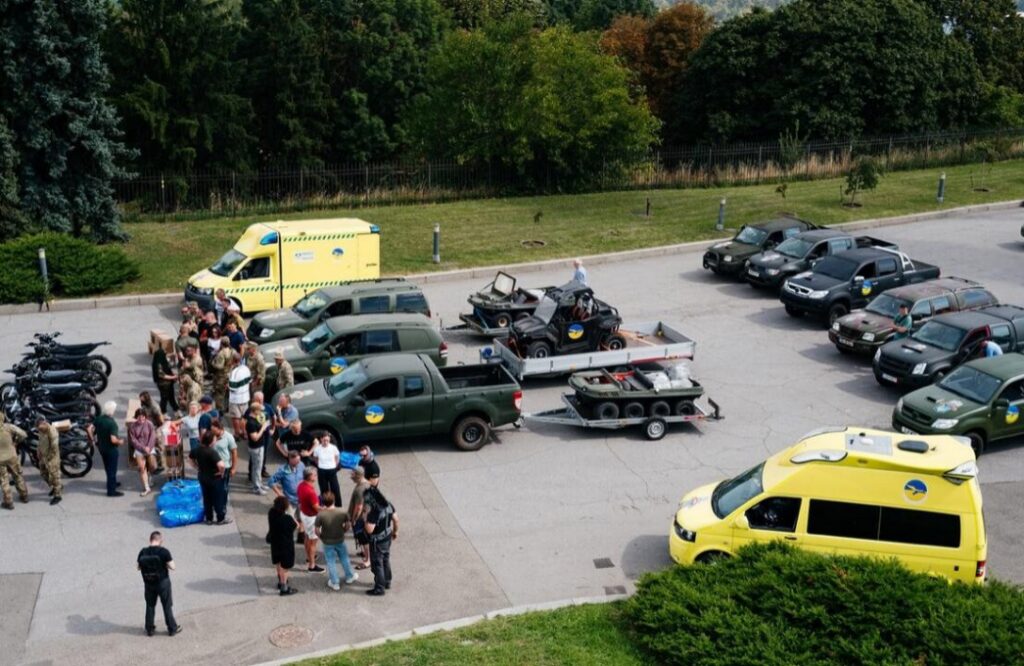
Ukrainian military units must source their own vehicles and pick-up trucks, as these are not supplied by Ukraine’s Ministry of Defence.
These vehicles are the workhorses of the war, essential for transport, logistics and mobility on the front line.
Around 100 Ukrainian military vehicles are put out of action every day, mostly by FPV drones, creating a constant need for replacements.
Demand remains high for reliable diesel-powered 4x4s with minimal electronics, such as the Toyota Land Cruiser and Toyota Hilux.
Countering Shahed Drones
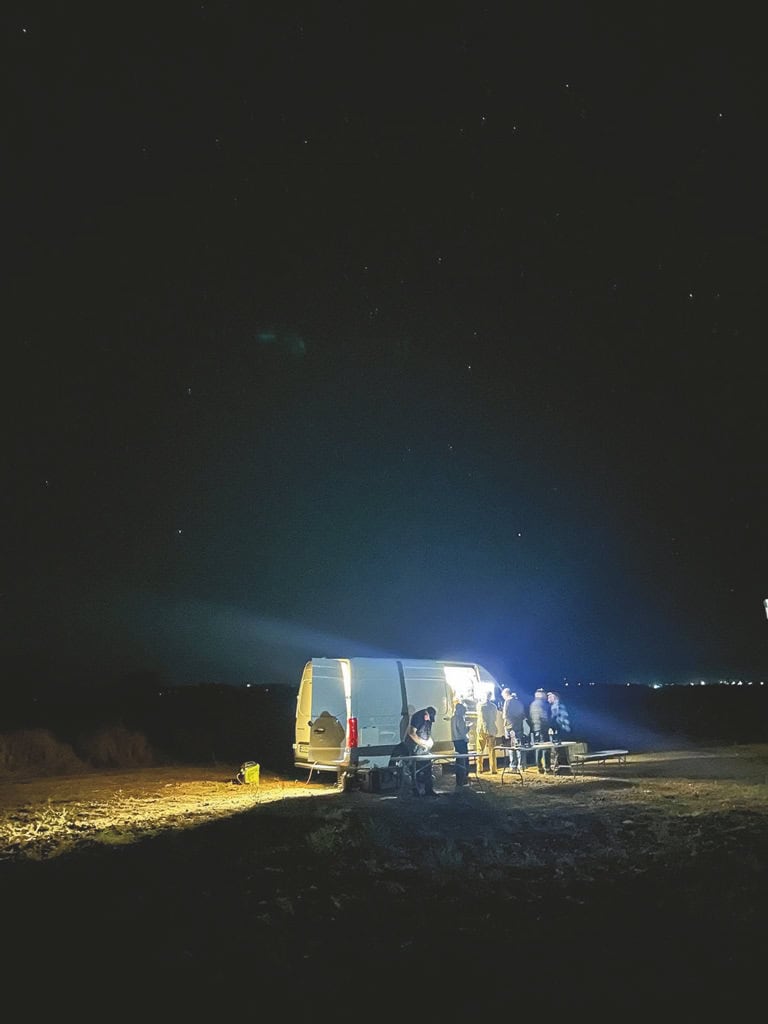
Ukraine faces an unprecedented scale of drone warfare. Every night, long-range attack drones threaten cities and villages, damaging homes, schools, hospitals and energy infrastructure, and killing civilians.
To help counter Shahed and Geran drones, Protect Ukraine provides the infrastructure needed by mobile interception teams.
Working with Dignitas Ukraine, we support the Freedom Sky programme, which delivers specialised training.
Every drone intercepted means a threat neutralised and lives potentially saved.
Trauma packs & Tourniquets
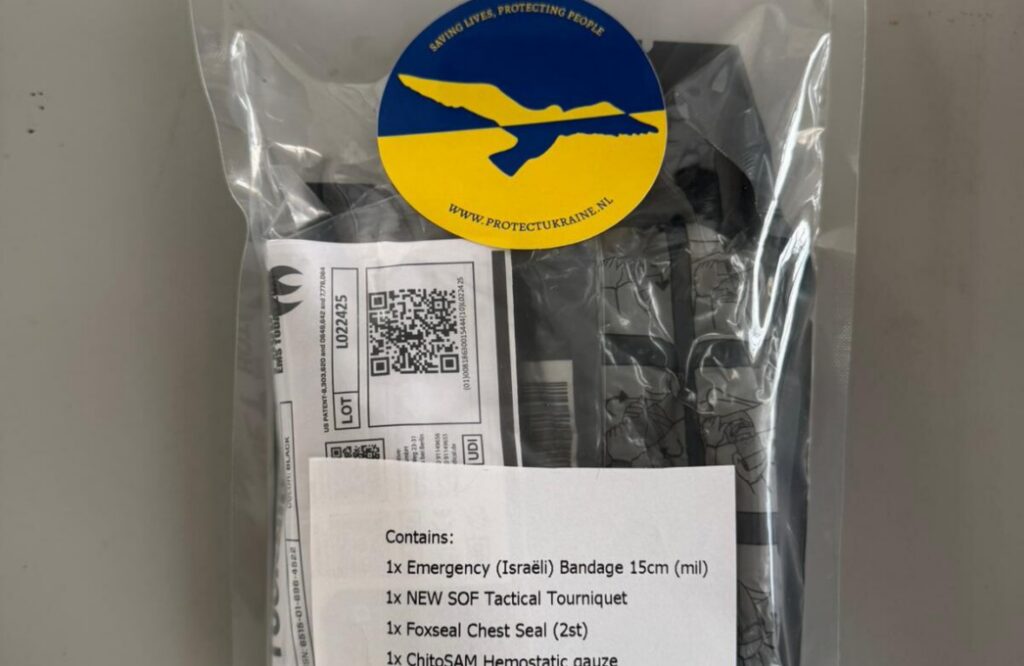
EEvery convoy we send includes trauma kits for Ukrainian troops.
These contain essential supplies such as a tourniquet, chest seals, haemostatic gauze and an emergency dressing.
This equipment is vital for treating severe bleeding and chest injuries.
A tourniquet stops life-threatening bleeding from an injured limb by restricting blood flow.
Learning to apply one quickly is a crucial part of self-aid and buddy-aid training.
Support for veterans center

Protect Ukraine provide training equipment for the rehabilitation of military veterans.
Reconnaissance Drones – GOR-UAS
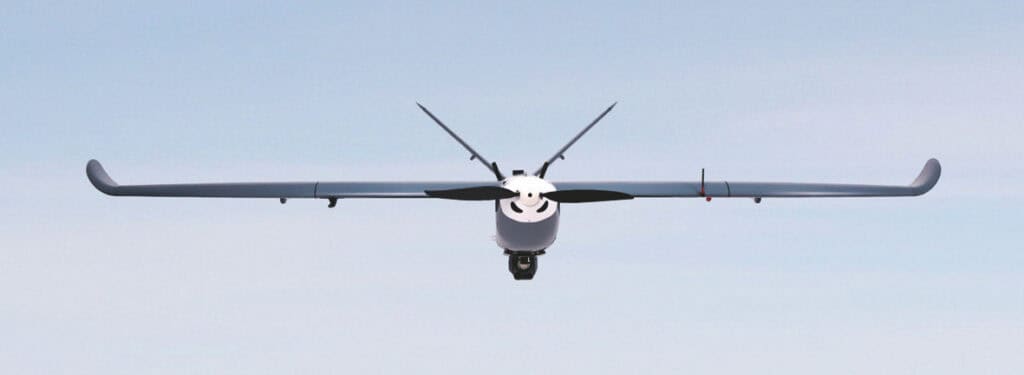
To help address gaps in intelligence capabilities, Protect Ukraine purchases GOR-UAS reconnaissance drones from Ukrainian manufacturer Airlogix.
These long-range systems are supplied to specialised units of the Ukrainian Armed Forces, military intelligence service GUR and the National Police.
Designed to withstand electronic warfare interference, two drones can operate at an altitude of 3.5 km, providing continuous aerial coverage.
Their advanced cameras deliver live day-and-night footage of the front line and surrounding areas, helping identify potential Russian advances and giving Ukrainian forces valuable time to respond.
Evacuation robots
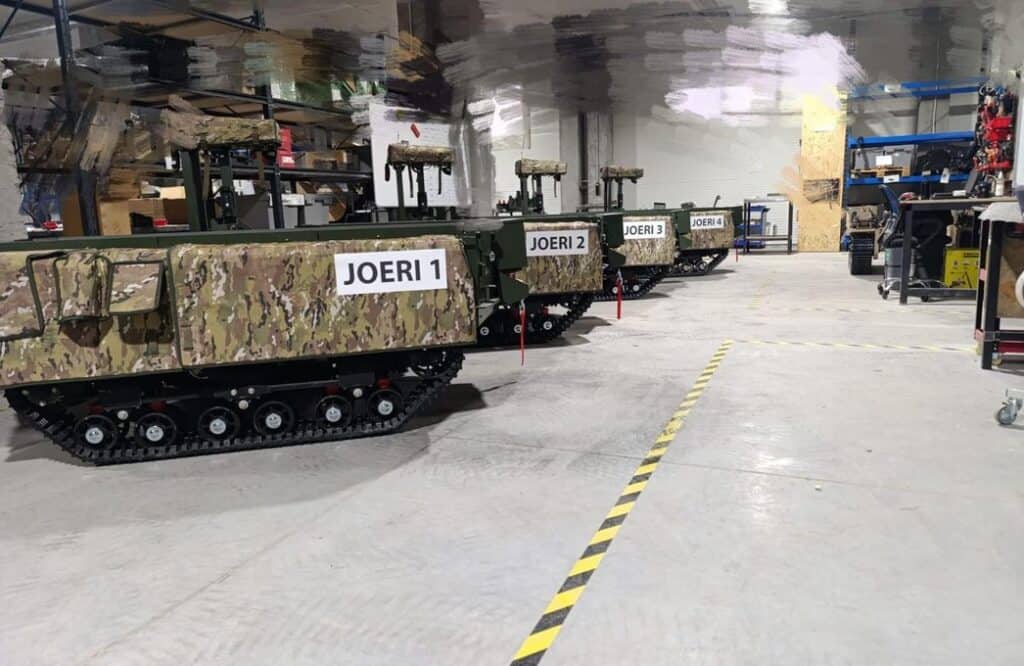
Protect Ukraine is working with the Ukrainian General Staff, drone manufacturer Tencore and NGO Dignitas to develop armoured unmanned ground vehicles (UGVs).
These remotely operated robots evacuate wounded soldiers while reducing the risks faced by medics under enemy fire.
The front line is constantly watched by reconnaissance drones.
Soldiers operating in forward positions often spend months sheltering in underground dugouts.
Ground robots help deliver supplies and evacuate the wounded, ideally at night, in poor weather or at dusk, when surveillance conditions may be more favourable.
Once a wounded soldier has been evacuated from the danger zone, the ground robot meets an evacuation vehicle. This off-road vehicle transports the casualty to a nearby stabilisation point, often located in a disused school, barn, underground shelter or forest tent.
From there, an ambulance or SUV takes the wounded soldier to a military hospital further from the front line.
‘An evacuation robot is often the wounded’s last hope of being rescued and the only way to bring fallen soldiers home to their families. Protect Ukraine gives us the means to save lives and preserve our humanity.’
— Khristina Senior Combat Medic
Jammers
To reduce the effectiveness of drones, we need to disrupt their radio and GPS signals. This can be achieved using signal jammers.
Rescue on Wheels – CASEVAC
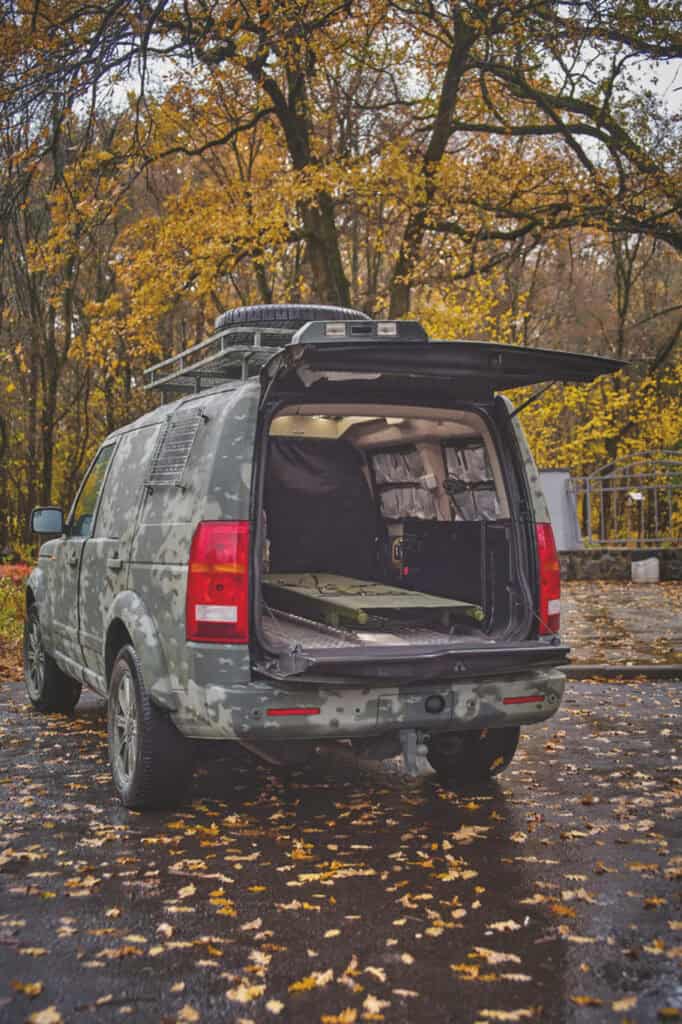
CASEVAC (Casualty Evacuation) vehicles, designed to get wounded soldiers out of the combat zone and to a stabilisation point as quickly as possible.
These vehicles are adapted for extreme terrain and the dangers of the battlefield.
The rear is cleared to accommodate a stretcher, specialist lighting and electrical systems are installed, and the interior is lined with aluminium for easy cleaning.